Light Returns to Mosul
The reopening of the Al Raabiya Mosque, the Al Tahira Church and the Mar Toma Church in October 2025 marked a turning point in Iraq’s post-conflict recovery, restoring not only monuments long scarred by war but also the collective memory of a city that once embodied coexistence, faith and resilience
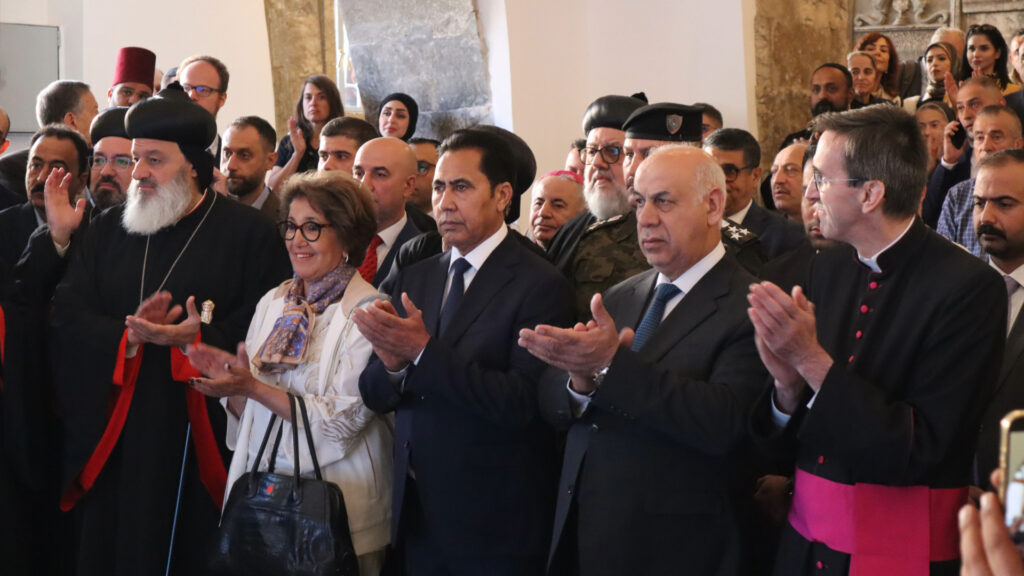
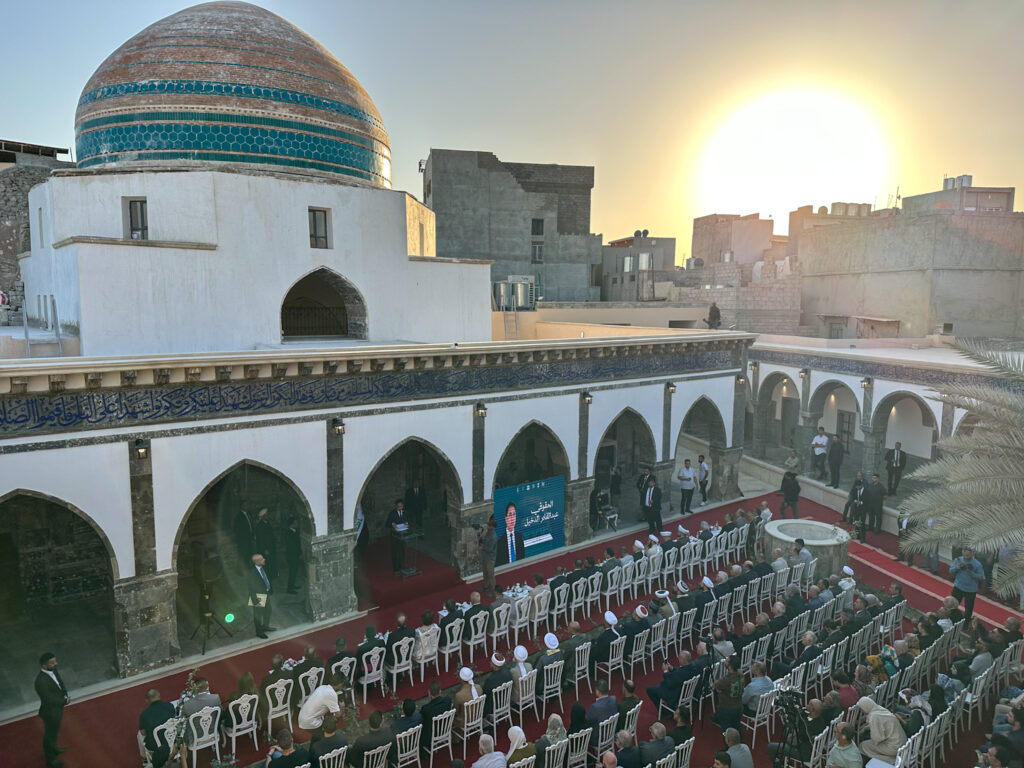
On 15 October 2025, a significant milestone was reached in the city of Mosul, Iraq. Three major monuments – the Al Raabiya Mosque, the Chaldean Al Tahira Church and the Syriac Orthodox Mar Toma Church – were reopened after restoration, marking a key moment in the city’s post-conflict cultural recovery. According to the ALIPH Foundation, that date stood as a symbol of dialogue, diversity and the resilience of a city reborn.
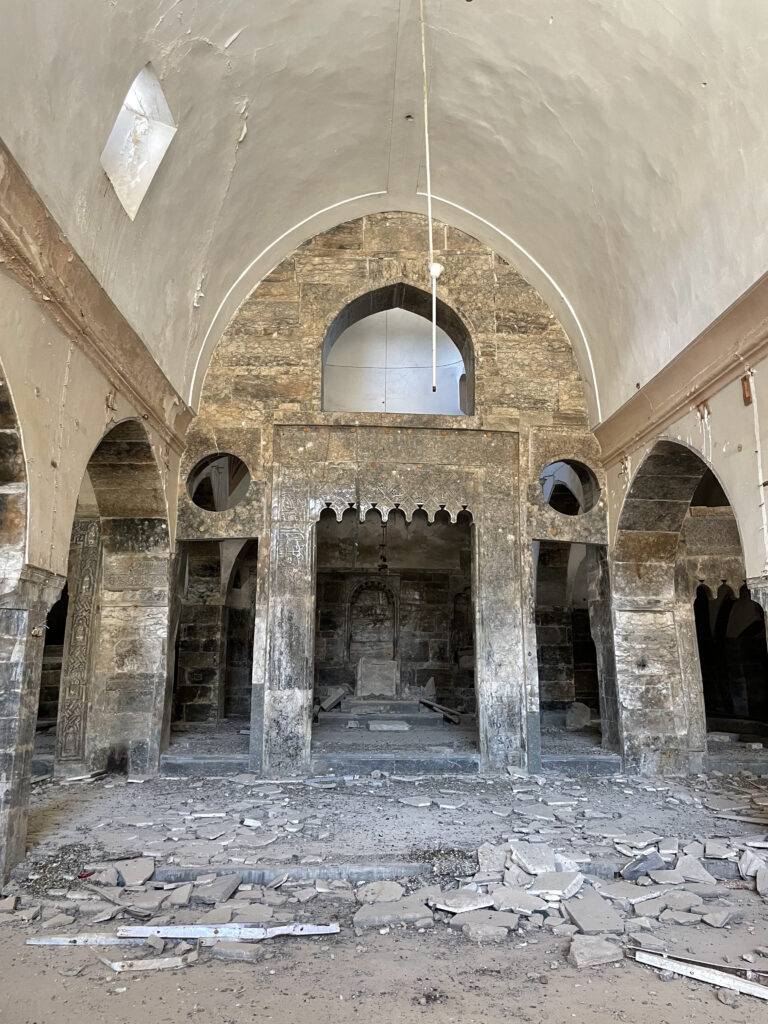
Mosul, whose name literally means “the meeting point”, had long been a crossroads of faiths, cultures and civilisations, and the rehabilitation of these monuments was rich in both symbolic and material meaning. The Mar Toma Church, one of the city’s oldest Christian landmarks, built on a site associated with the apostle Thomas and featuring a thirteenth-century Gate of the Twelve Apostles in Mosul’s distinctive farsh marble, shone once more. The Al Tahira Church, built in the eighteenth century on the ruins of an older monastery and dedicated to the Virgin Mary, was likewise emblematic for Mosul’s Chaldean community. The Al Raabiya Mosque, dating from 1766 and built by Rab’iya Khatun, daughter of Ottoman governor Ismail Pasha Jalili, with its turquoise dome and refined calligraphy, stood restored after being severely damaged during the years of conflict.
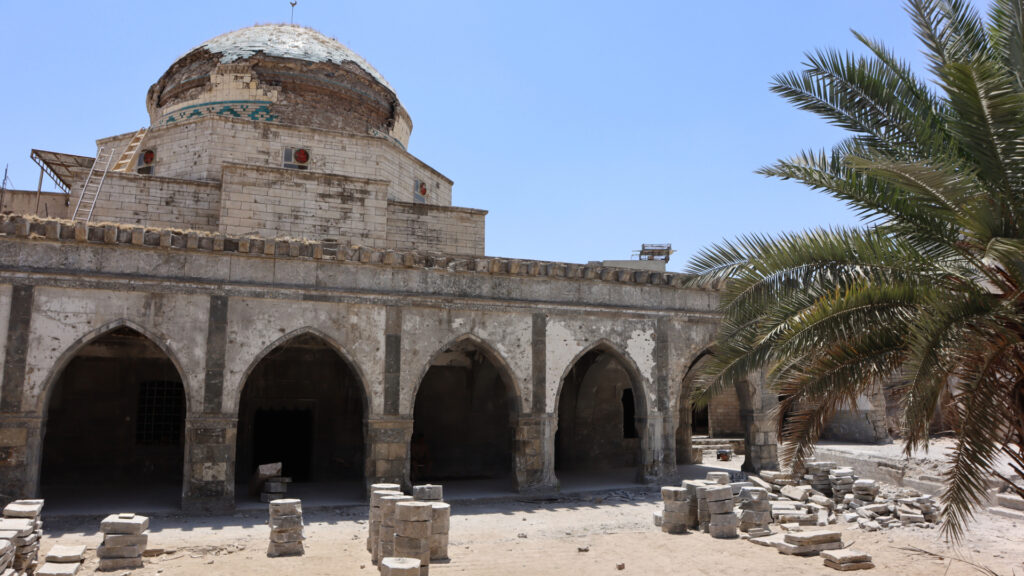
The restoration projects did not simply replace stones and structures; they also engaged local archaeologists, engineers, artisans and trainees. Archaeologists from the State Board of Antiquities and Heritage, Mustafa Yahya Faraj and Rana Bashar Salih, supervised excavations at Mar Toma Church, uncovering discoveries later protected under glass. At Al Tahira, the coordinator Ninwaya Polis led technical coordination and photographic documentation. At Al Raabiya, engineer Ibrahim Al Zubaidi and a young team participated in heritage-training courses in Mosul. In total, ALIPH’s support for these three projects amounted to 3.6 million US dollars. Since 2018, the Foundation had supported nearly fifty projects across Iraq, with a total investment of 33 million dollars, more than 25 million of which had been allocated to Mosul alone.
The reopening ceremony gathered Iraq’s cultural, civil and religious leadership: the Minister of Culture, Tourism and Antiquities, Dr Ahmed Fakak Al Badrani; the Governor of Nineveh, Abdul Qader al-Dakheel; Patriarch Louis Raphaël Sako, head of the Chaldean Church; and Patriarch Mor Ignatius Aphrem II of the Syriac Orthodox Church. During her address, Bariza Khiari, Chair of the ALIPH Board, underlined that Mosul’s diversity was not a weakness but a source of strength, and that beyond faith, those restored churches carried a universal message — that of a city choosing culture over oblivion, knowledge over fear. The restoration of these monuments had therefore become more than a technical process: it was an act of cultural reconstruction, breathing life back into the entire city. The repaired domes, vaults and carved portals testified not only to architectural mastery but to a collective dynamic of rebirth at the heart of a community reconnecting with its past.
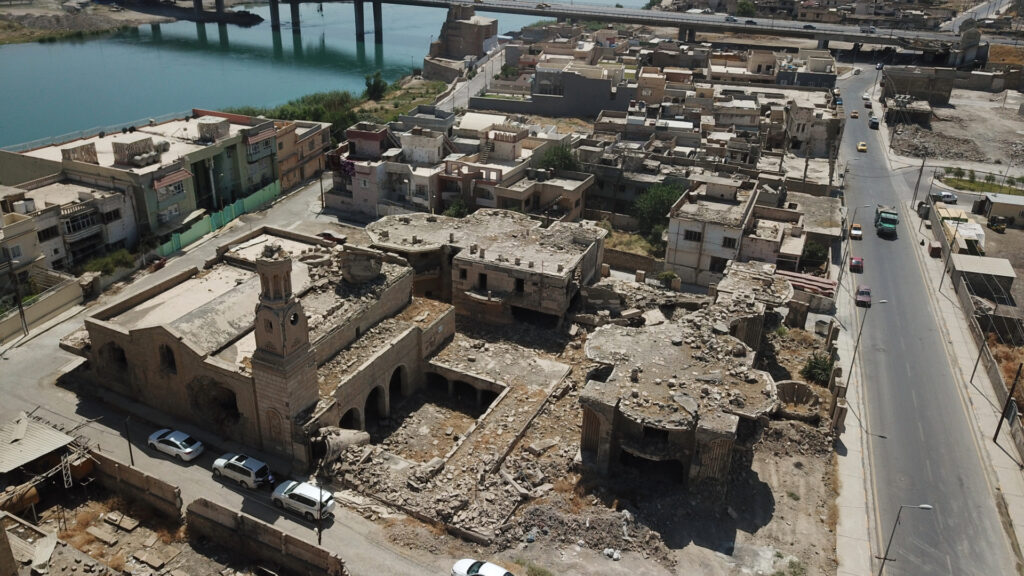
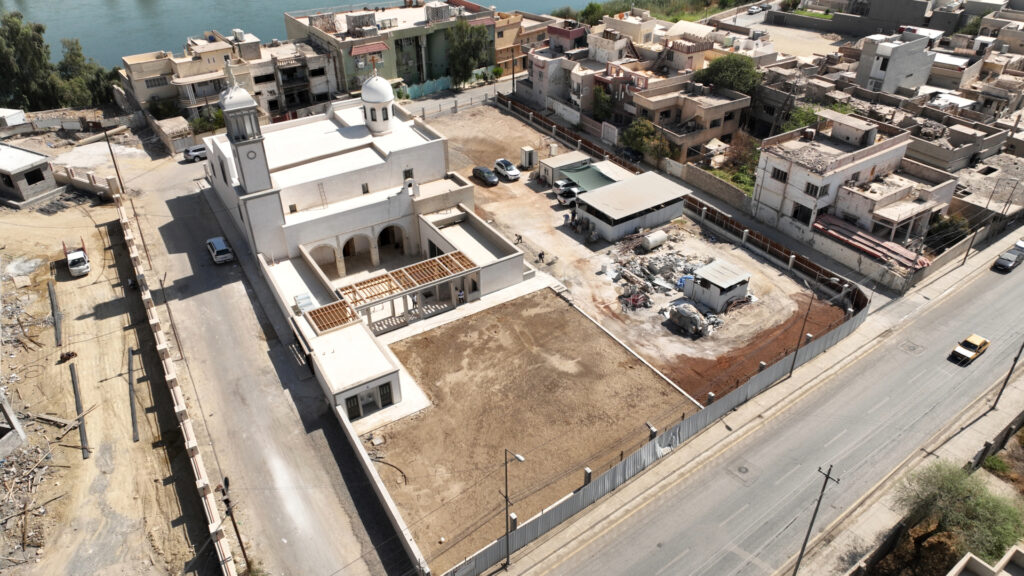
Although the reopening of the three monuments represented a landmark, the broader context remained complex. Mosul had suffered extensive destruction between 2014 and 2017 during the conflict with the so-called Islamic State, which had left buildings, archives and communities scarred. The restoration of these three sites stood as a powerful signal but was still part of a longer effort to rebuild not only structures but also communities, memory, skills and trust.
The “Mosul Mosaic” programme, launched in 2018 by ALIPH together with the Iraqi Ministry of Culture, Tourism and Antiquities and the State Board of Antiquities and Heritage, had already rehabilitated two historical houses, two mosques and two churches, and contributed to safeguarding the city’s intangible heritage, including the Jewish legacy. ALIPH also confirmed that the reopening of the Mosul Museum, another major project supported by the Foundation, was scheduled for November 2026.
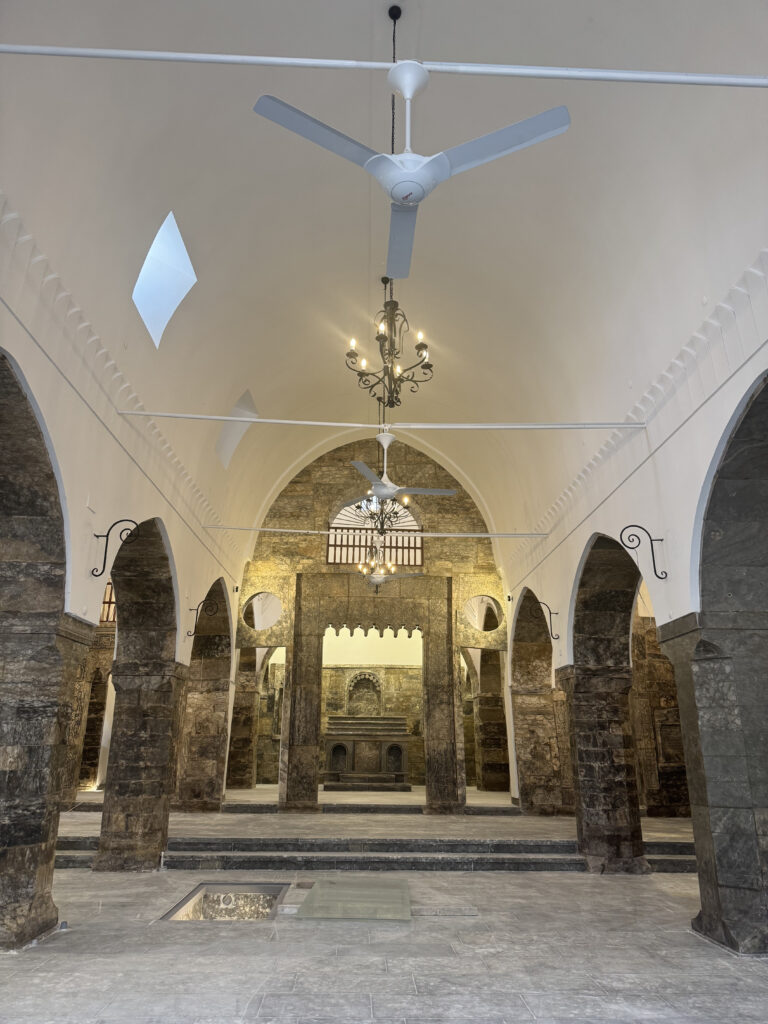
For cultural-heritage professionals, the case of Mosul illustrated the intersection of reconstruction, community engagement and inter-faith symbolism; the training of local staff and artisans within capacity-building missions; the role of international foundations working in coordination with local authorities; and the recognition that heritage, when restored, could become a driver of reconciliation and urban resilience. In a city that had long epitomised cultural diversity and exchange, the reopening of the Al Raabiya Mosque, the Al Tahira Church and the Mar Toma Church thus signified that heritage had once again become a meeting point — not only of stones and craftsmanship but of faiths, communities and generations.
On 15 October 2025, the reopening of those monuments represented far more than the completion of restoration works: it marked the revival of a city’s soul. With the coordination of ALIPH, Iraqi authorities, local artisans and international partners, the stones of Mosul spoke again — bearing witness to survival, rebuilding and shared identity. As the city looked ahead, its next chapter would be shaped by how these restored sites and their communities harnessed heritage for the future.
[Source: ALIPH Foundation].

The Journal of Cultural Heritage Crime (JCHC), con sottotitolo L’Informazione per la Tutela del Patrimonio Culturale, è una testata giornalistica culturale, registrata presso il Tribunale di Roma con n. 108/2022 del 21/07/2022, e presso il CNR con ISSN 2785-7182. Si configura sul web come contenitore di approfondimento, il primo in Italia, in cui trovano spazio i fatti che quotidianamente vedono il nostro patrimonio culturale minacciato, violato e oggetto di crimini. I fatti sono riportati, attraverso un linguaggio semplice e accessibile a tutti, da una redazione composta da giornalisti e da professionisti del patrimonio culturale, esperti nella tutela. JCHC è informazione di servizio, promuove le attività di contrasto ai reati e sostiene quanti quotidianamente sono impegnati nella attività di tutela e valorizzazione del nostro patrimonio culturale.